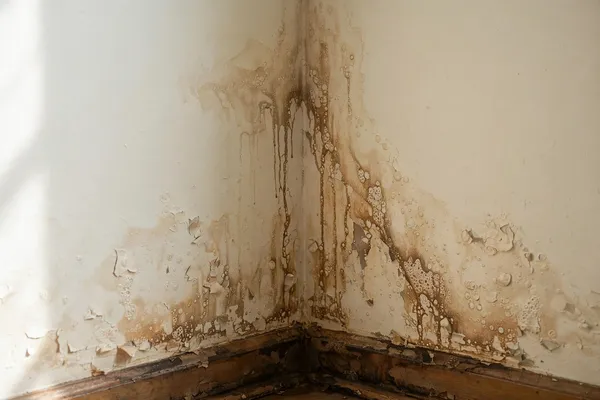
The Leak You Cannot See
A stain spreads across the ceiling. A floorboard feels soft underfoot. The air smells musty, yet no pipe is in sight. Water is moving somewhere inside the home, out of view. Our expert maps the moisture first, then scans the area with a thermal camera, then confirms the source with close readings. That way, the mark lands on the failure itself. Not on the stain you can see.
Where They Hide
Where hidden leaks hide in Pompano Beach homes
Bathroom and kitchen pipes hide inside walls. So do their waste lines. In condos, lines run through the ceiling space between floors. One unit's leak becomes the ceiling stain in the unit below. Lines also run under floors, near the slab edge. And behind tile and shower walls. A slow leak there can feed damp for months before a surface shows it.
The usual sources repeat from home to home. Shower pans crack and seep under tile. Toilet supply lines and seals fail above ceilings. Tub overflows and loose fittings drip inside walls. Ice maker and dishwasher lines leak slowly behind cabinets. Washing machine hoses age out of sight. In taller condos, shared risers run through the same chase on every floor. A riser leak can wet several units in a line. Each source wets the same few materials. Board swells. Paint bubbles. Baseboards soften and pull away. The surface sign names the material. The map names the source.
Left running, the damp keeps soaking the wood and board around it. That raises the risk of mold on the damp surfaces. It is why a damp patch that keeps coming back needs a test, not another coat of paint. The early warnings come before the stain. Our hidden water leak signs guide names the ones owners spot first. The tracing starts from there. When the trail leads to the pipes inside the walls themselves, pipe leak detection proves those pipes, branch by branch.
The Trail
Why the stain is not the source
Water does not fall straight down and stop. Inside a wall, it runs along studs and framing. It follows pipes and the backs of boards. It can travel sideways for feet before it drips. So the stain marks where the water arrived. It does not mark where the water started. A ceiling stain can sit a whole room away from its source. Paint hides the trail while it is still thin. By the time a patch shows, the path behind it is long. Tracing that path backwards is the whole job.
The Method
Moisture mapping
Moisture mapping means following the damp with care, and with numbers. The specialist takes readings across the wall, ceiling, or floor, lays them out on a grid, and writes down each value, point by point. Damp spreads out from its source. It gets weaker the farther it travels. So the map forms a shape. The readings climb as they near the source. That climb shows where the water starts. It is not the same as where the water spread. And it is why one reading at the stain proves so little.
Two kinds of meters do this work. A pin meter reads through two small points in the surface. A pinless meter reads a wider patch, without marks. A baseline reading also gets taken on a dry wall nearby. That dry number anchors the whole map. Without it, a damp reading means little on its own. With it, every point on the grid can be compared fairly. The shape that emerges is the evidence. It points uphill, toward the wettest ground, where the source sits.
The Method
Thermal imaging
A thermal camera shows heat differences on a surface. Water inside a wall or under a floor changes that pattern. Damp that is drying out reads cooler. A leaking hot line reads warmer. The scan shows the technician where to test. On its own, it is not a verdict. The camera has real limits. It reads the surface, not through it. Sunlight can change the picture. So can air conditioning, and the type of flooring. The specialist uses the scan to aim the moisture readings and the listening test, and marks the spot only where all the evidence agrees. Under a floor, heat scans also help confirm slab leaks. There, the camera aims at the slab surface, not at walls and ceilings.
The camera also cannot name what it finds. A cool patch can be damp board. It can also be missing insulation, or air leaking from a duct. A warm patch can be a hot line running normally. So the scan never stands alone here. Every patch it shows gets checked with moisture readings. Only the patches that read wet move forward.
Sorting the Source
Is it plumbing, the roof, or the air conditioning?
A ceiling stain can come from three places. It can come from plumbing. It can come from the roof. Or it can come from the air conditioning. Timing gives the first clue. A stain that grows after rain points to the roof. A stain that grows in dry weather points to plumbing. AC condensate has its own pattern, and its own season. The readings then settle which one it is. If the readings leave it open, the roof versus plumbing guide compares the two, clue by clue.
Each source also behaves differently over days. A plumbing leak grows steadily, wet or dry outside. A roof leak pulses with the rain and dries between storms. Condensate follows the air conditioner. It appears on the days the system runs longest. Watching the stain across a week can sort the three before testing. The readings then confirm what the pattern suggests.
The air conditioning source deserves one more word. Its condensate drain line runs hidden too, through walls and ceiling spaces. A clogged or cracked condensate line drips steadily in summer. It can look exactly like a plumbing leak from below. The timing gives it away. It follows the cooling, not the water use.
The Report
The marked source and the written report
The visit ends with two things in your hand. The first is the mark itself, placed where the failure sits. Not where the stain spread. The second is the written report. It holds the moisture map and its readings. It holds the scan findings and the confirmed source. It states which of the three sources the evidence settled on. That document carries the repair decision. It also fits an insurance or association file, where a unit above or below is involved. Detection ends at the mark and the report.
Two kinds of camera, two different jobs
The word camera covers two tools on a hidden leak visit, and they answer different questions. A thermal camera reads the surface: it shows the cool or warm pattern a hidden leak leaves on a wall or floor, without opening anything. An inspection camera goes inside the pipe, through a cleanout or fixture opening, and shows the condition of the line itself: corrosion, a shifted joint, roots at a seam.
Hidden leaks usually start with the thermal picture, because the first problem is finding where the water is travelling. When the failing line can be reached, the inspection camera then confirms what the surface evidence suggested. Not every line allows it, and the report states plainly which evidence the marked source rests on.
Mold is the consequence, not the source
A hidden leak that runs long enough feeds mold inside the wall or floor cavity it is wetting. By the time a musty smell or a dark patch shows, the water has usually been there for weeks. It is tempting to treat the mold first. That order fails, because any cleanup done while the leak still runs is undone by the same moisture.
The detection visit has one job in this chain: find the water source and mark it, so the supply of moisture stops. The moisture map in the written report shows how far the wet area extends, which is exactly the information a drying or remediation decision needs next. Mold tells you the leak is old. The marked source is where fixing it starts.
Same Day Priority for Active Leaks
Call for hidden water leak detection in Pompano Beach
A hidden leak keeps soaking the walls around it, day after day. Call (754) 346-1772 and tell us where the damp shows. Our expert traces it back to the source. Active leaks get same day priority. To catch the next one early, see how leak sensors and smart shutoff valves help, and where their limits sit.
Address: 120 SW 15th St, Pompano Beach, FL 33060 · Serving all Pompano Beach neighborhoods and Broward County
Clear Answers
Frequently asked questions
Can a hidden leak be found without opening the wall?
Yes. The specialist works from the surface. Moisture mapping, heat scans, and sound checks all read through the finished surface. No wall opens during detection. The mark shows the one point where a later opening belongs, if a repair needs one.
The stain is on the ceiling. Is the leak directly above it?
Not always. Water travels along beams, pipes, and framing before it drips. So the stain can sit well away from the leak. That is why the technician maps the trail instead of guessing from the stain.
How long can a hidden leak run before it shows?
A slow leak inside a wall can run for a long time before anything shows. Fresh paint can hide the signs even longer. That is why a damp patch that keeps coming back should be tested, not painted over.
What does the owner receive?
You get the source point, marked where the failure sits. You also get a written report. It holds the moisture map readings, the scan findings, and the confirmed source. You can use it for the repair decision. It also fits an insurance or association file.
Can the camera and the meter show where the water is coming from?
Together, they do. The camera shows where the damp has spread. The meter readings climb toward the source. Read as a map, they show where the water started. Neither tool settles it alone. The plumbing tests confirm the source before anything is marked.