Emergency Leak Detection Service in Pompano Beach, FL

(754) 346-1772
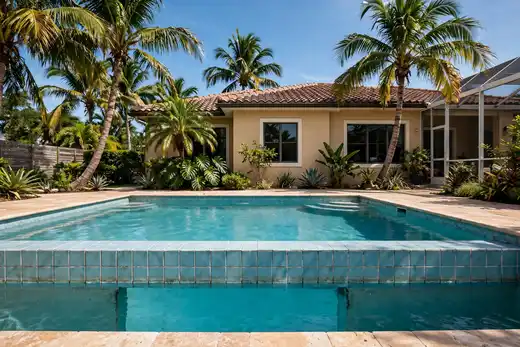
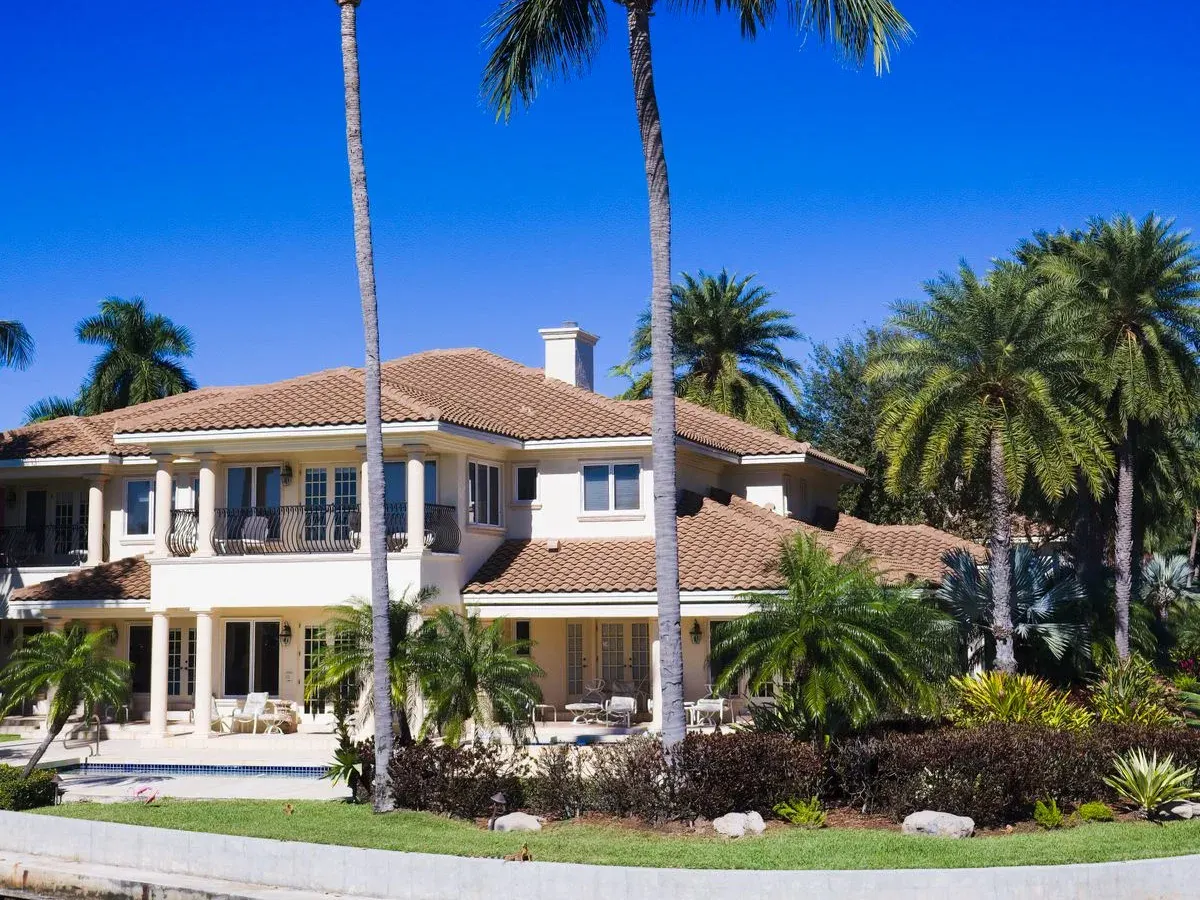
Waterfront slab-on-grade home with palm trees in Pompano Beach, Florida

Pompano Beach, FL · Fort Lauderdale

Leak Detection in Fort Lauderdale, FL

Fort Lauderdale holds three plumbing worlds in one city: downtown towers stacked on shared risers, canal-front estates with supply runs that stretch all the way to the seawall, and western subdivisions sitting on wide single slabs. Each world hides a leak differently, so leak detection in Fort Lauderdale starts with the zone, not a fixed routine. The specialists we connect you with pinpoint the break with acoustic and thermal testing, without demolition first. Call and name the zone, tower, canal or suburb, and the isolation plan is set before the visit.

01

Big-city range

Fort Lauderdale runs from downtown towers to canal estates to western family suburbs. Our isolation scales to all three.

02

Same-day priority

A high-rise stack leak or a canal-side main does not wait. Active Fort Lauderdale leaks move first.

03

No jackhammer diagnosis

Acoustic and thermal proof replaces exploratory demolition, the standard this city’s finished interiors require.

04

Written report

Zone maps, readings, and photos, documented for owners, associations, and insurance files.

The Fort Lauderdale Story

Water Leak Detection Service in Fort Lauderdale for Towers, Canal Homes, and Suburbs

Fort Lauderdale is the biggest plumbing landscape in Broward County: downtown and Las Olas high-rises with vertical stacks serving dozens of units, a famous canal grid lined with waterfront estates and long private supply runs, older island and east-side neighborhoods with aging copper, and western suburbs full of slab-on-grade family homes and pools. Each of those worlds fails differently. The tower leak hides in a chase. The canal home leak hides in a hundred feet of buried line. The suburban leak hides under a slab. Any leak detection in Fort Lauderdale that treats the city as one territory will misread at least two of them.

Our solution is zone discipline at city scale: isolate by riser in towers, trace by run along the canals, and segment-test slab, yard, and interior in the suburbs, always starting from the meter. Owners comparing the best leak detection in Fort Lauderdale, in the way searchers phrase it, are really comparing documentation: who proves which line failed, and where, in writing. A Fort Lauderdale leak detection engagement ends with exactly that proof, and a marked point. When the failing line turns out to be a shared one, the condo and HOA responsibilities guide sets out who carries which part.
Problems We Solve in Fort Lauderdale

Three Housing Stocks, Three Failure Styles

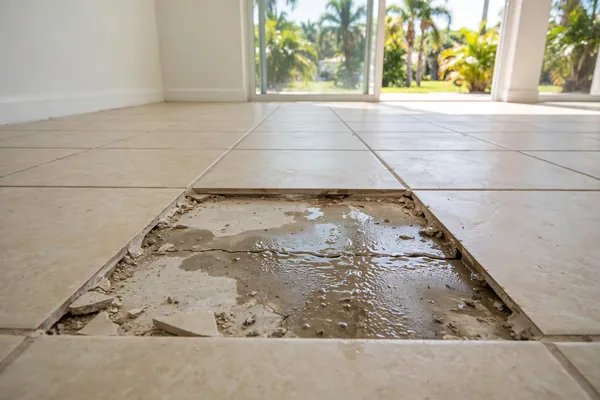
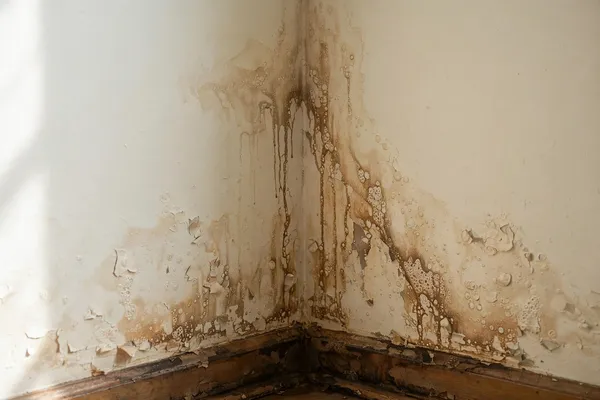
Three cities inside one, three failure styles. These are the four situations we solve most in this city, and how each one ends.

The Downtown Tower Stack Mystery

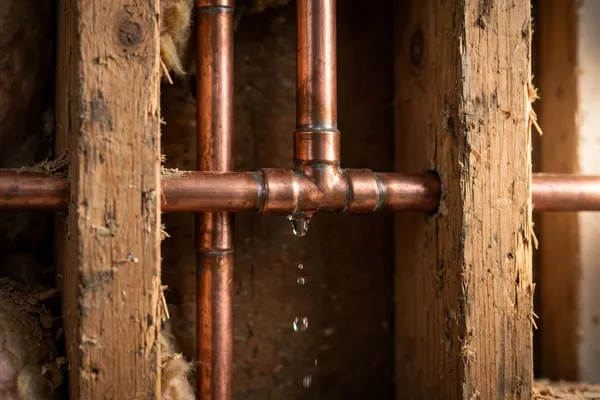
A unit on a middle floor reports water, the units above report nothing, and the chase carries lines for a dozen homes. Management needs the source proven before walls open in anyone’s unit.

How we solve it: the specialist pressure-tests the riser branches unit by unit and images the chase thermally until one line is proven guilty and its joint is marked.

The Canal Estate Run That Loses Silently

A waterfront home on the canals has a supply run long enough to hide a serious leak completely, while the seawall and the tide provide perfect cover.

How we solve it: the specialist isolates the estate’s zones, traces the full run to the dock side, and surveys it acoustically until the failing section is pinpointed.

The Western Suburb Slab Leak

In the family neighborhoods west of downtown, the pattern is pure Pompano-style: warm floors, soft pressure, a bill that doubled in a season.

How we solve it: the expert thermal-maps the slab, confirms the break by sound, and marks the single opening point, with the surrounding run assessed in the same visit.

The Las Olas Commercial Loss

A restaurant or retail space near Las Olas Boulevard sees usage climb while every fixture checks out. Shared feeds and after-hours lines widen the suspect list.

How we solve it: the specialist isolates branches after hours when needed, decay-tests each segment, and pinpoints the loser without disturbing a single service.

Know the Warning Signs

Signs That Travel: Stains, Meters and Warm Floors

01

A Stain Far From Its Source

In towers and big homes, water travels; the stain marks the path, not the leak.

02

Master Meter Climbing Downtown

A building usage rise with quiet units means a common line or one hidden unit.

03

Warm Floors in the Western Suburbs

Heat tracing across a slab follows the hot line to its break.

04

Dock and Seawall Soil Changes

Softening soil or settling pavers along a canal run can mark a buried break.

05

Pressure Sag at the Far End

Long estate and suburban runs show a failing main first at the farthest fixtures.

06

Nighttime Meter Movement

A city property at rest should record nothing; movement is a pressurized loss.

Emergency Leak Detection in Fort Lauderdale

A Fort Lauderdale leak needs fast action when a tower riser must be shut down, water enters a lower unit actively, or a canal-side main washes soil visibly. Close the unit or main shutoff, alert building management, and call (754) 346-1772. Active leaks get same-day priority, and the specialist zone-isolates before any finished surface is disturbed.

Wondering why the expert never guesses with a jackhammer? Pinpointing first beats digging first: Acoustic Leak Detection vs Jackhammering: Why Pinpointing Wins

From Call to Complete

Zone First: How a Fort Lauderdale Visit Runs

01

Call and Describe the Zone

Tower, canal home, or suburb: the zone sets the isolation plan before the specialist arrives.

02

Meter and Pressure Baseline

The specialist sizes the loss and confirms it is real before isolating anything.

03

Isolate by Riser, Run, or Segment

The technician splits the system the way your property is built until one part proves guilty.

04

Pinpoint With Two Methods

Thermal imaging and acoustic confirmation agree on one marked point.

05

Report Built for Decisions

The specialist delivers zone findings, readings, and photos for owners, boards, and insurers.

Local Navigation

Las Olas to the Western Suburbs: Coverage by Zone

Las Olas and Downtown

Towers and commercial spaces around Las Olas Boulevard get riser-by-riser isolation and after-hours testing when the business day demands it.

The Canal Grid and Isles

Waterfront neighborhoods on the canals get full-run tracing: street to seawall, every foot surveyed before a dig point is named.

The Western Suburbs

Family neighborhoods west of I-95 are slab, yard, and pool territory, tested with the suburban segment protocol.

Is Your Property in the Fort Lauderdale Service Zone?

If your property sits anywhere in Fort Lauderdale, from 33301 and the downtown east side through the canal isles to the western suburbs, you are inside our regular coverage. A quick call confirms your address and the fastest route to it.

Call (754) 346-1772 to verify coverage →

Documented Results

Reports That Managers, HOAs and Insurers Can Use

What a Fort Lauderdale Leak Detection Report Includes

Zone Map and Marked Point

The failing zone and the exact failure point, marked on the surface and photographed.

Readings by Segment

Pressure decay and acoustic evidence recorded per riser, run, or segment tested.

Source Ownership

For towers and shared buildings, the report names the source unit and line for responsibility decisions.

Insurer-Ready File

Findings and photos formatted for insurance documentation and City of Fort Lauderdale utility inquiries.

Nearby Cities

Cities Served Around Fort Lauderdale

Searching for Leak Detection Near Fort Lauderdale?

Our leak detection services in Fort Lauderdale cover the whole city, and the same zone discipline serves properties nearby in Pompano Beach, Deerfield Beach, and Hollywood. Wherever your property sits near Fort Lauderdale, diagnosis starts with its zone, because this city leaks three different ways.

View All Service Areas → · Leak Detection in Pompano Beach →

Slab Leak Detection in Fort Lauderdale

Fort Lauderdale slab leaks follow the city's two building patterns. In the western subdivisions, growth-decade family homes sit on large single slabs, and a hot line leak there often shows as one warm path across a family room, flooring that changes sound in one area, or hot water that runs out faster than it used to. On the east side, canal-front ground floors and older beach-side homes fail more quietly: one damp area among many dry ones, a bill that doubles inside a single season, a meter that moves at night while the house sleeps.

The specialist proves the loss first, with the meter and a pressure test, then isolates the slab lines by section. The failing run is pinpointed by sound and heat before anything is marked. In a western subdivision home that order protects a large floor from a wrong opening. In an east-side ground floor it separates a slab failure from the canal-side damp that those homes live with, so the two are never confused.

The complete method and the full list of signs live on the slab leak detection page. If a warm path, a doubling bill, or a moving night meter matches your home, call (754) 346-1772 and say which side of the city you are on, west or east, so the right test plan is set before the visit.

Underground Water Leak Detection in Fort Lauderdale

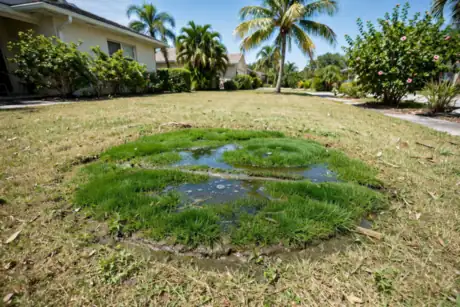
No buried line in this coverage area runs through more settings than a Fort Lauderdale line. Canal estates send long private runs from the street to the seawall, and a break anywhere on that run drains into sand and canal soil without surfacing. Western suburb homes run shorter yard lines that fail more plainly, with soft ground over the route. Dock and pool feeds branch off the same supply on waterfront lots, and either one can lose water on its own while the house system stays sound. On the commercial corridors, a shared main can carry the loss for several units at once. The signs repeat across all of them: usage climbing with no change in the house, and a meter that still moves after the house side is isolated.

The technician isolates the feeds and zones first, house, dock, pool, and irrigation apart, then proves the loss with pressure. The full route is traced, and the acoustic survey follows the trace, so the marked dig point rests on two kinds of evidence, not one. That isolation step is the whole job on a canal lot, because opening the wrong run wastes the dig and leaves the real loss running.

The step-by-step process is set out on the underground water leak detection page. If your meter moves with the house isolated, call (754) 346-1772. Tell us the setting, canal, suburb, dock feed, or corridor main, and the plan is built around it.

Clear Answers

Leak Detection FAQs, Fort Lauderdale

Do you detect leaks in Fort Lauderdale high-rises and condos?

Yes. Our specialists handle condo and high-rise leaks across Fort Lauderdale, including stack and riser leaks that cross unit boundaries. The source unit gets traced with thermal mapping and acoustic testing, without opening multiple walls, and the written report documents findings for HOAs and insurers.

What about canal-front homes with seawalls and docks?

Waterfront properties get the same no-dig process with extra attention to pool plumbing, seawall-adjacent lines, dock water feeds, and irrigation tied into canal water. High groundwater near canals is factored into the testing approach.

Will detection damage my marble, travertine, or hardwood floors?

No. Thermal cameras read heat through stone and wood, and acoustic sensors listen through the slab. Floors are never drilled or broken during detection. The expert marks the leak coordinate on the surface for your contractor.

Can the report help lower my Fort Lauderdale water bill?

Yes. You receive a written report with the leak location, discovery date, findings, and photos. Present it to the City of Fort Lauderdale utilities when requesting a leak adjustment. The leak must also be repaired and documented per city rules.

What happens after the leak is located?

You receive the marked leak location, pipe depth where measurable, and a written report with the test date, findings, and photos. You can give that report to the plumber or contractor of your choice, your insurance company, or your HOA.

How do I know which detection service my symptoms need?

Warm floors and high bills suggest slab or main line testing; stains and sounds in walls suggest hidden leak work; soggy yards suggest underground locating. Describe what you are seeing when you call (754) 346-1772 and we will aim the right equipment at it.

Local Help, One Call Away

Need Leak Detection in Fort Lauderdale? Call Today

Tell us the zone, tower, canal, or suburb, and the evidence you are seeing, and we will plan the isolation around your property on the same call.

Address: 120 SW 15th St, Pompano Beach, FL 33060 · Serving Fort Lauderdale (33301 and every Fort Lauderdale ZIP code) and all of Pompano Beach

Call Now · (754) 346-1772